Tiny House Digital Partners with SM Studio

Table of Contents

    Book Your Free Strategy Call

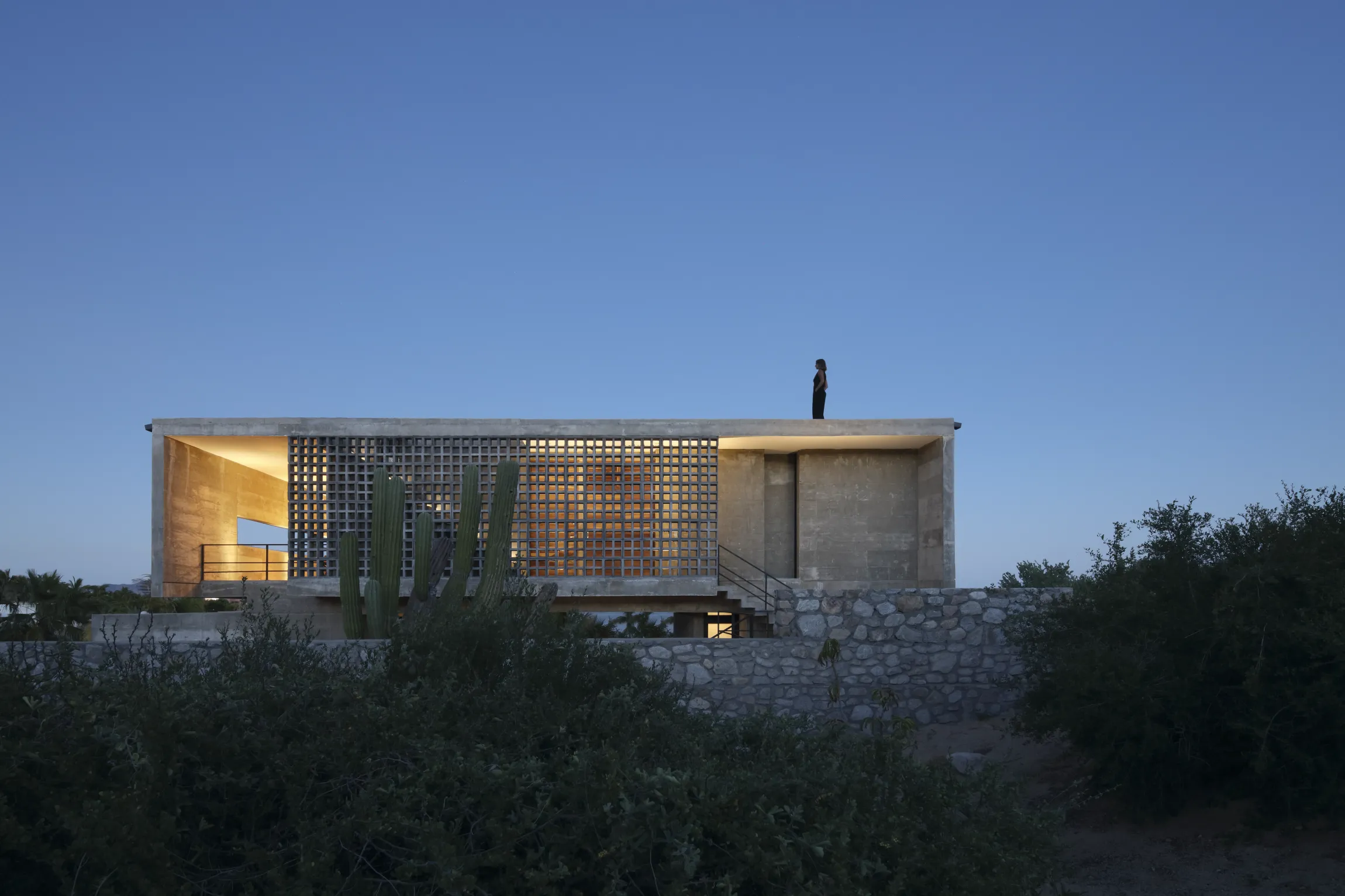
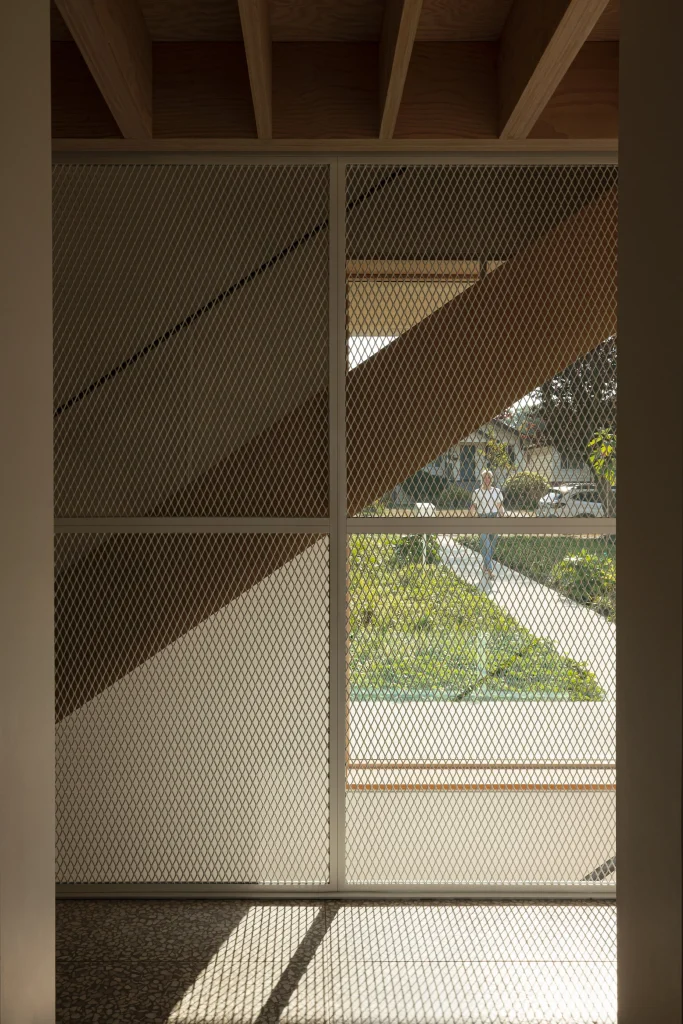
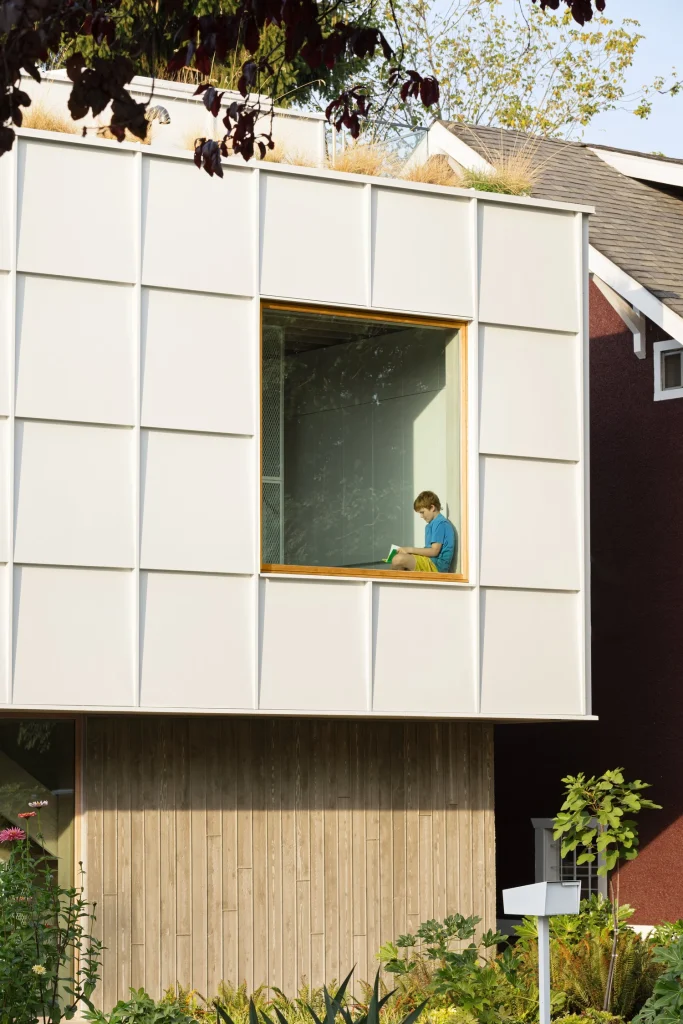
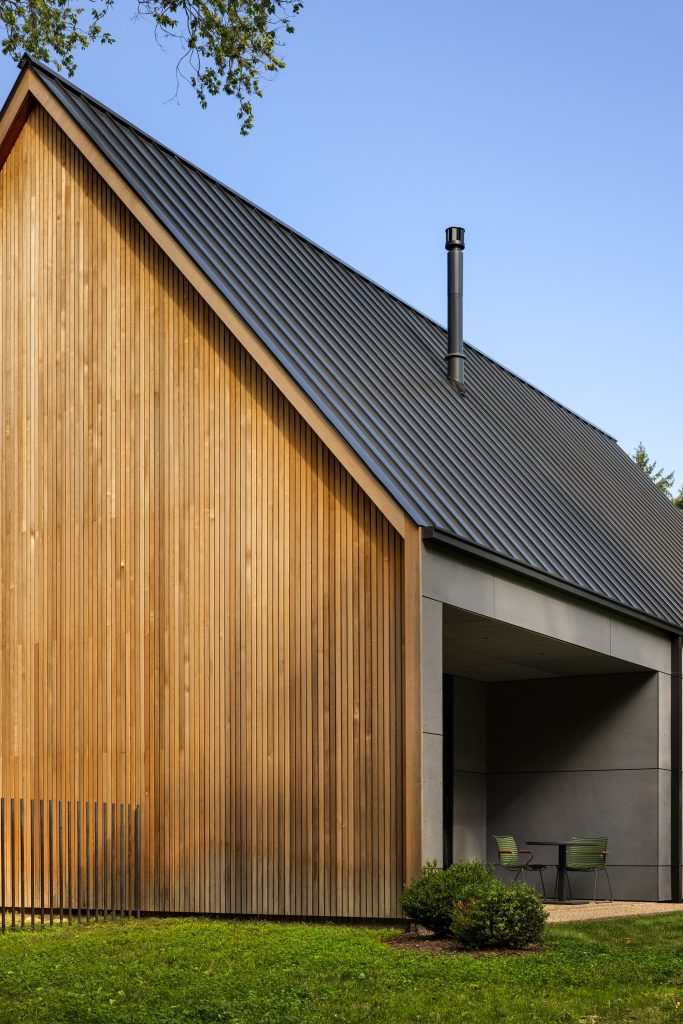
    New Client // SM Studio

    We’re excited to welcome SM Studio to our client roster.

    Based in Vancouver and led by Simon Montgomery, SM Studio is an award-winning design studio with a body of work throughout the Lower Mainland.

    The studio has been recognized internationally, with projects featured in Dwell, Dezeen, and Wallpaper* Magazine. In 2023, SM Studio was named Western Living’s Architectural Designer of the Year, and in 2025, received Japan IDPA Platinum, Gold, and Pioneer Prizes.

    We’re incredibly proud to support SM Studio in strengthening their online presence as they continue to shape the built environment in the Lower Mainland.

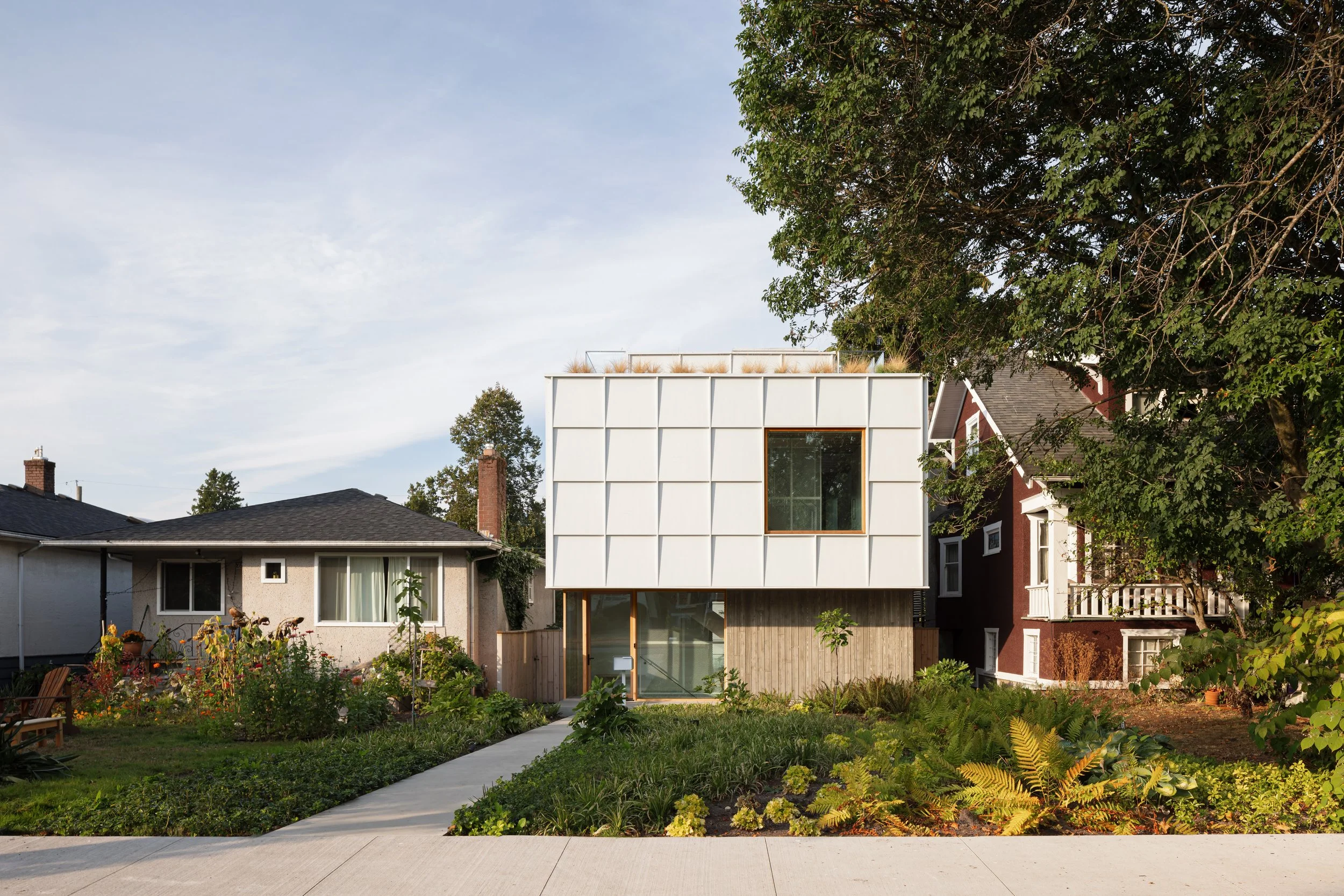
    Photography by Ema Peter.

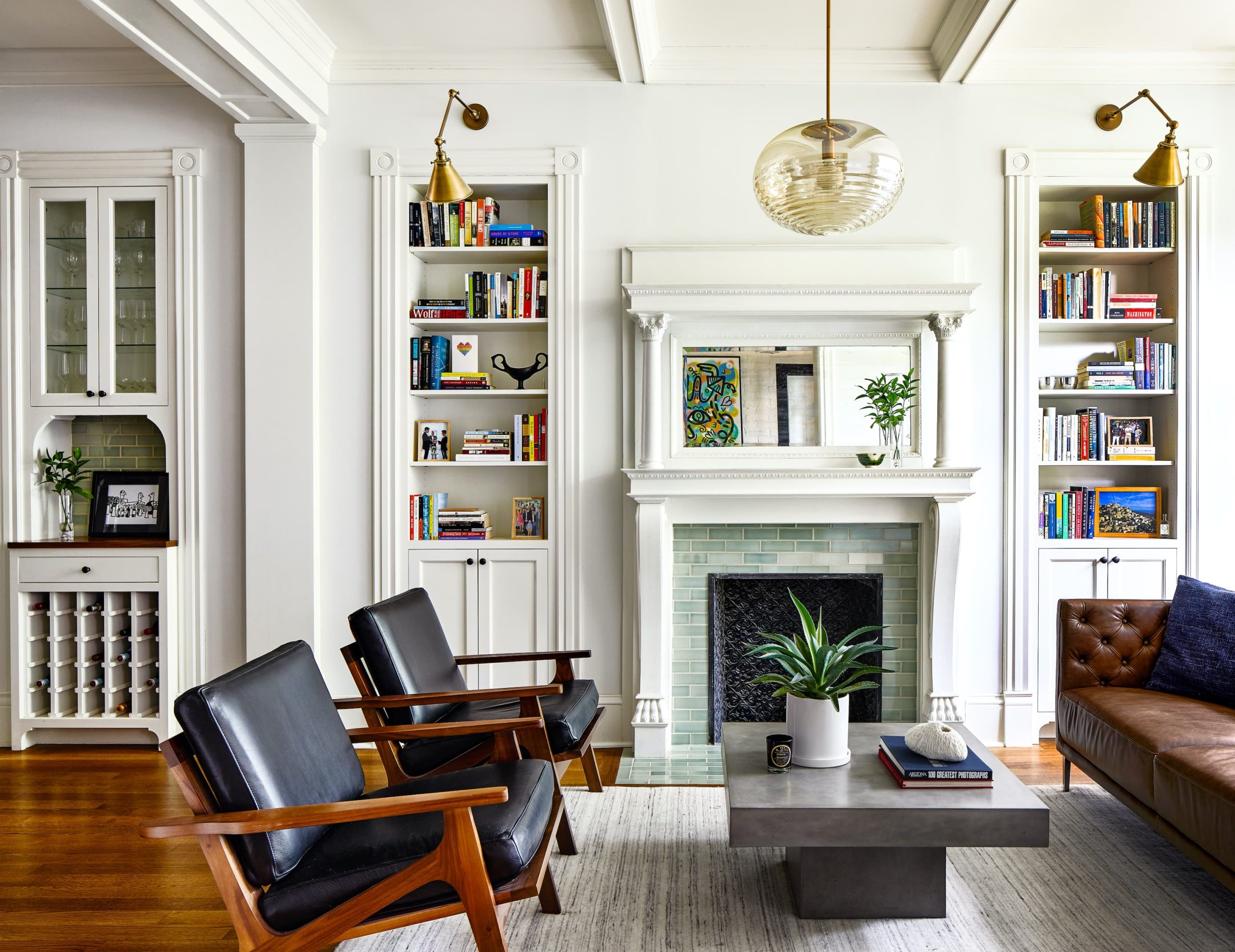
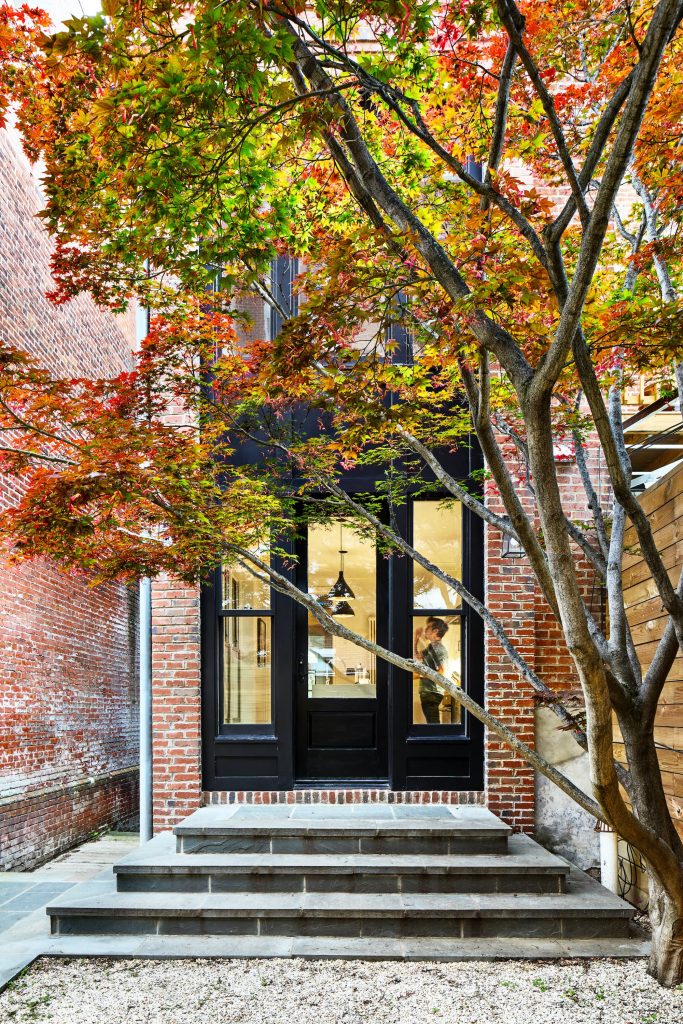
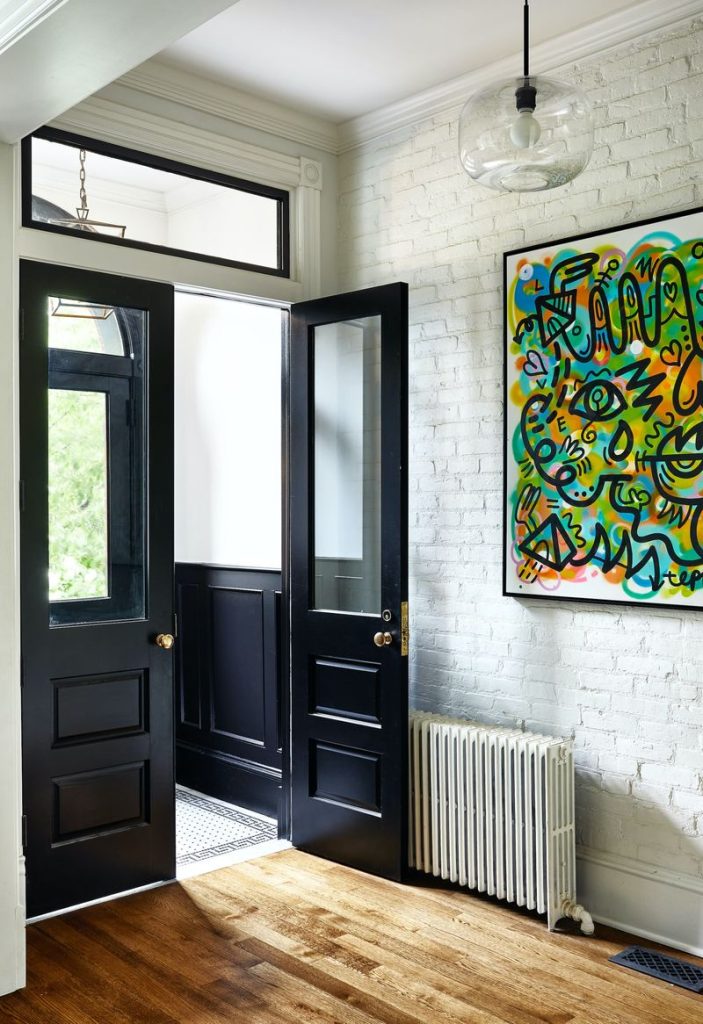
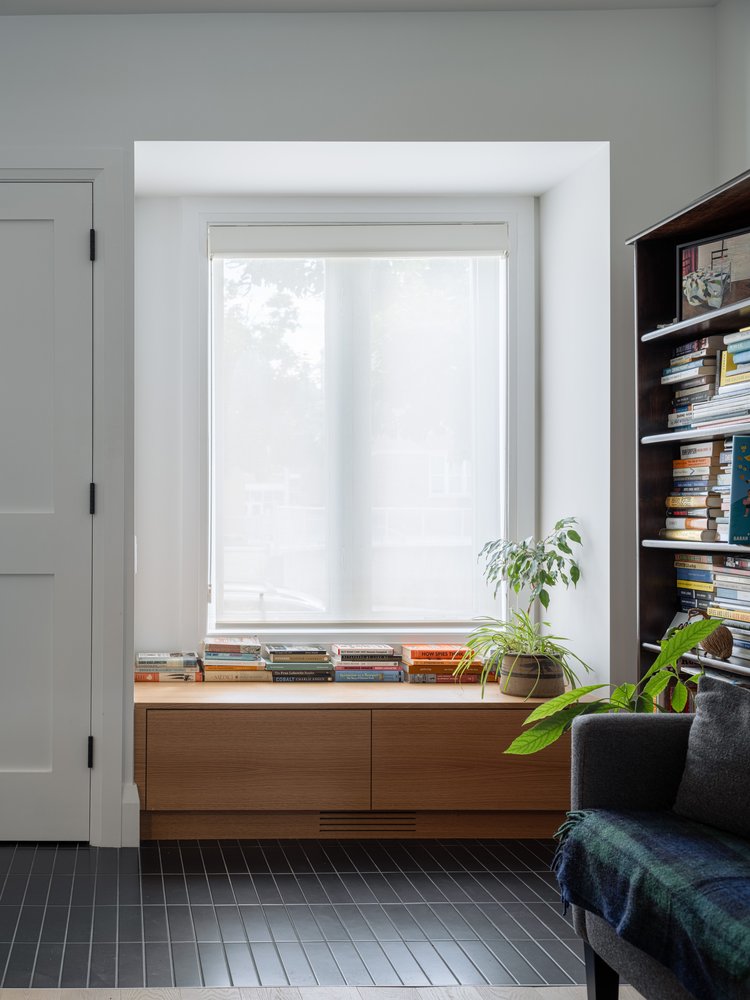
    Tiny House Digital Partners with Delo Interiors

    Table of Contents

      Book Your Free Strategy Call

      New Client // Delo Interiors

      We’re excited to welcome Delo Interiors to our client roster.

      Based in Toronto and led by principal Dianne Berman, Delo Interiors is a residential interior design studio with projects spanning Toronto, Muskoka, and Haliburton.

      Their work has been featured in Homes & Gardens, House & Home, and more.

      We’re thrilled to partner with another Toronto studio.

      Photography by Valerie Wilcox.

      Content Marketing for Architects: Turn Your Expertise Into Visibility and New Work

      Table of Contents

        Book Your Free Strategy Call

        “Why are other studios getting so much more traffic than we are? We’re doing great work, too.”

        At Tiny House Digital, we hear this often from architecture firms with outstanding portfolios, talented teams, and exciting ideas about the built environment. Many have already taken important steps to get noticed — sharing work on Instagram and LinkedIn, being featured in press like Dezeen and Dwell, and winning awards from organizations like AIA chapters and Architecture MasterPrize.

        These signals build trust, make your studio memorable, and give your marketing a head start. But they can also work hard for you on your website — driving traffic and inquiries. With the right plan in place, they will.

        Many studio websites are beautifully designed and center around a homepage, a portfolio, and a contact page. These are essential, but on their own, they’re not always built to generate consistent traffic, inquiries, or long-term business growth.

        To actively support your business development goals, your website can go beyond a showcase of finished work. It can become a connected system of content that highlights your expertise, tells your story, and builds authority in the sectors and locations where you want more projects.

        This post is a big-picture overview of how to create that system, and the first article in our Content Marketing for Architects series, where we break down best practices for each key page type.

        Define, Build, Grow

        We use a three-phase approach to turn the work you’re already doing into a growth strategy that helps you get found online and win more projects.

        Phase 01: Define Your Focus

        Before creating anything, ask: Where do we want to win more projects?

        For some firms, it’s location-specific:

        • Getting more work in Chicago, New York, Toronto, or Vancouver
        • Entering secondary or emerging markets

        For others, it’s sector-focused:

        • Residential: single-family, additions, laneway, multiplex
        • Adaptive Reuse & Infill: heritage, urban densification
        • Hospitality: hotels, restaurants
        • Civic & Cultural: community centres, libraries, museums

        In most cases, it’s a mix of both. Your target sectors and markets should directly shape the pages you build and the stories you tell.

        Phase 02: Build Your Core Pages & Supporting Content

        Now that you have your focus, you can start building the pages that speak directly to your ideal clients and projects.

        We typically recommend building out 12 types of pages:

        Homepage

        • Your main entry point for people searching your studio name, clearly stating what you do, who you do it for, and where, with proof through featured projects.
        • Example: Hariri Pontarini

        Studio About Page

        • A page that shares your studio’s story, values, and process, introduces your team, and shows the impact you aim to have on clients and the community.
        • Example: END Studio

        Principal Bio Pages

        • Pages dedicated to your leadership team, highlighting credentials, career history, design philosophy, notable projects, awards, publications, and speaking or teaching experience.
        • Example: Olson Kundig

        Contact Page

        • A page for inquiries that makes it easy for prospects, collaborators, and media to connect, with a clear call to action such as a form or list of emails, plus your address and phone number.
        • Example: Feldman Architecture

        Areas of Expertise Pages

        • Pages for each sector you want to grow, showing projects, process, and expertise, sector-specific trends and insights, key team members, and awards or media recognition.
        • Example: Gensler

        Location Pages

        • Pages that showcase your local office, team, and projects, connect your design philosophy to the region, and share community news.
        • Example: Perkins&Will

        Project Pages

        • Pages dedicated to individual projects with professional photography, a clear description, key details (location, type, size, photography credits), collaborator credits, and optional media like films, awards, or press.
        • Example: John Ellway

        Case Studies

        • Narratives that reveal the client’s challenge, your design thinking, and the outcome, supported by sketches, schematics, 3D models, renders, construction images, and completed photography.
        • Example: Mihaly Slocombe

        Awards Page

        • A chronological list of awards, including the year, award name, and the project or principal recognized.
        • Example: Akb Architects

        Press Page

        • A chronological list of publication mentions and features, organized by year, with the publication name and the related project or topic.
        • Example: MacKay-Lyons Sweetapple Architects

        Thought Leadership Posts

        • Articles that explore big challenges or new ideas in the built environment, using data, built work, renders, and concept designs to support your perspectives.
        • Example: MVRDV

        Company Announcements

        • Short updates about project news, permits, awards, press features, team changes, or speaking events.
        • Example: PLP Architecture

        Most firms already have the raw material for these pages — often tucked away in folders, proposals, and press archives. The goal is to bring it together in one connected, visible place.

        All of this content sends a clear signal: We’re active. We’re experienced. We’re doing this kind of work right now.

        Phase 03: Grow Your Authority

        Once your core pages are live, you can keep showcasing expertise by creating more supporting content and linking it internally across your site.

        Examples:

        • Homepage: Link to Studio About, Areas of Expertise, Projects, Awards, and Press pages
        • Expertise Pages: Link to relevant Project and Company Announcement pages
        • Case Studies: Link to revelant Areas of Expertise and Principal Bio pages
        • Awards/Press Pages: Link to related Projects and Company Announcement pages
        • Company Announcements: Link to relevant Projects and Principal Bio pages

        Internal linking turns your site into a clear, interconnected system; one that clients, collaborators, press, and search engines can easily navigate and understand.

        Your Website’s Role in the Bigger Marketing Picture

        Your website is just one part of your marketing strategy — but it’s a critical one. It’s where prospective clients go to learn about your studio and team, understand your expertise, view your portfolio, and decide if you’re the right fit for their project.

        For many studios, the website works as a portfolio. But with a content marketing system, it can do even more. It can become:

        • The first impression that proves your expertise in the exact sector or location a client is searching for
        • The proof you’ve delivered this kind of project before — and done it well
        • A growth channel that drives consistent, qualified inquiries

        And its value goes even further. Your website can become the hub for your entire marketing and business development pipeline, fueling — and being fueled by — other channels:

        • Social Media Content: Turn your announcements, projects, case studies, awards, press, and thought leadership into a steady stream of posts that link back to your site
        • Email Newsletters: Keep subscribers engaged with studio updates and project news
        • Proposals: Strengthen pitches with real examples pulled directly from your site
        • Press & Media: Make it easy for media to contact you, see your awards, press features, and projects all in one place

        Your Next Step to More Visibility and New Work

        At Tiny House Digital, we help architecture firms navigate these phases so you can align your website with your business development goals to get found online and win the right kind of new work.

        Your website is one of the most valuable long-term assets your studio owns, and we can help you build a content marketing strategy entirely on work you’re already doing.

        If you’re ready to build a system like this for your studio, book a free 20-minute strategy call.

        Over the next few weeks, we’ll be sharing more in our Content Marketing for Architects series.

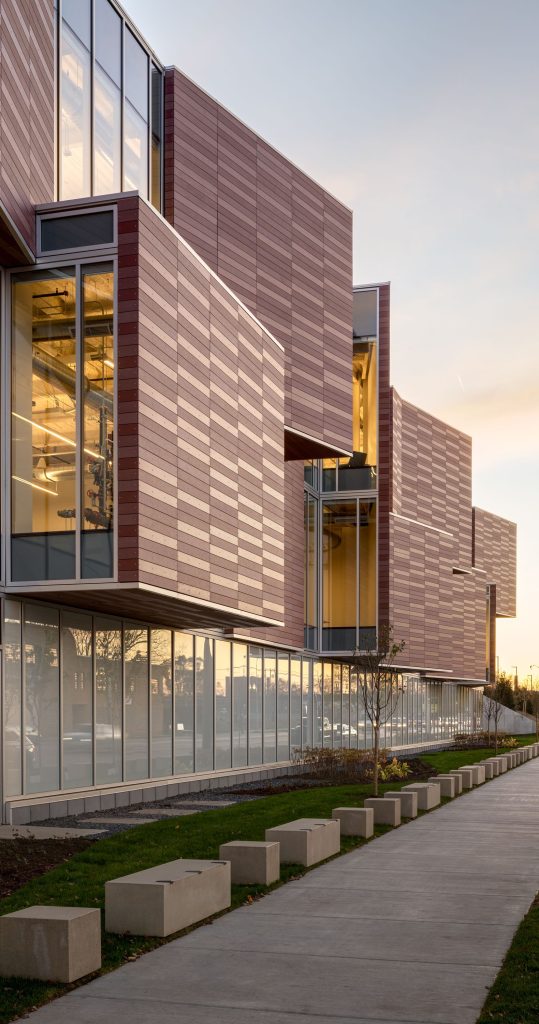
        Tiny House Digital Partners with Disbrow Iannuzzi Architects

        Table of Contents

          Book Your Free Strategy Call

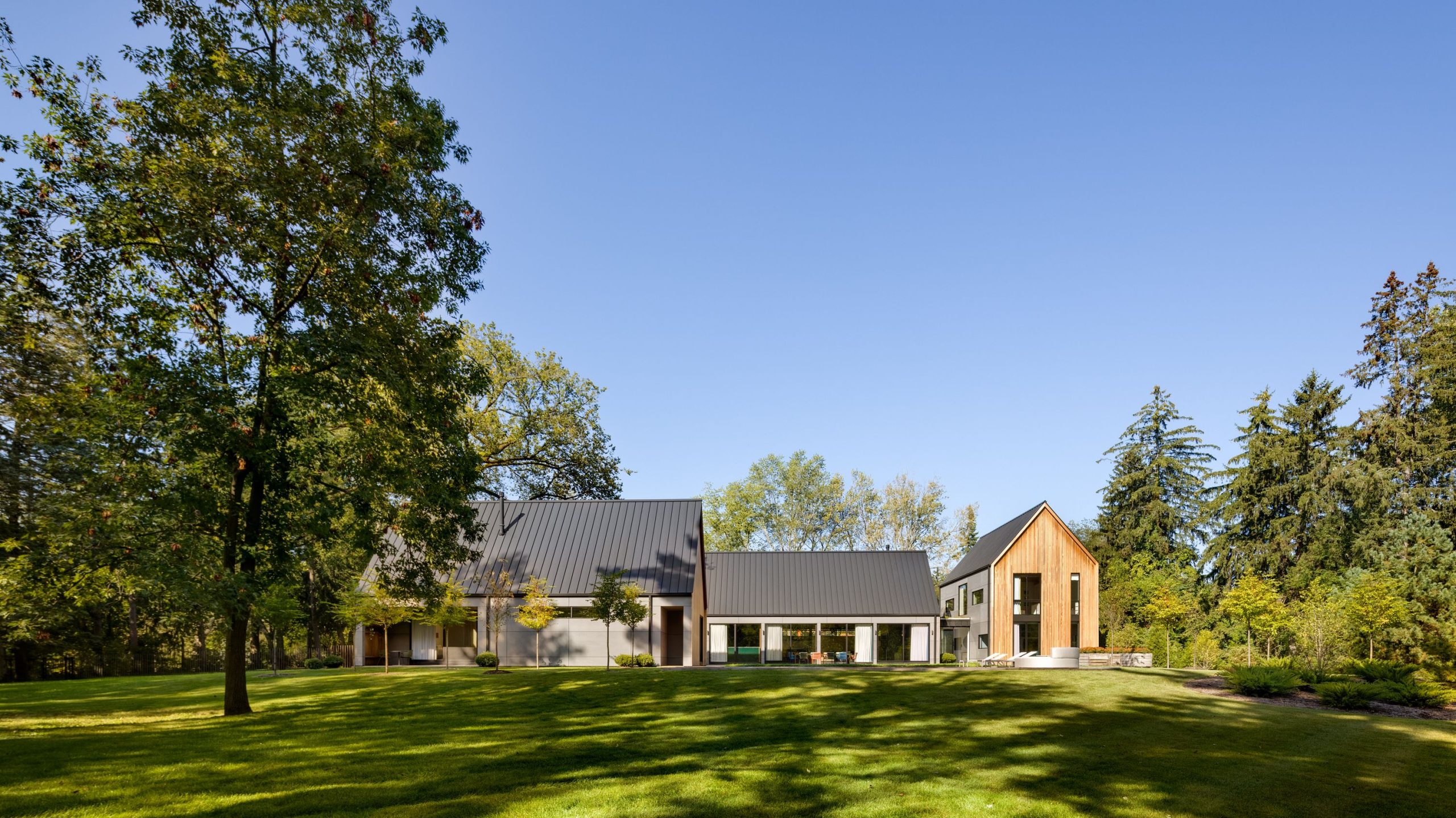
          New Client // Disbrow Iannuzzi Architects

          Tiny House Digital is excited to welcome Disbrow Iannuzzi Architects to our client roster.

          Based in Detroit, the award-winning studio is led by founding principals Jonathan Disbrow and David Iannuzzi with a body of work across residential, adaptive reuse, sports architecture, and civic and cultural projects.

          Notable work includes the Briarcliff Residence, L.A. Dance Project, and the Joint Public Safety Training Campus, which have been recognized by AIA chapters in Michigan, Detroit, and Chicago, as well as Architizer, Dezeen, and others.

          In 2025, the firm was named one of America’s Top 200 Residential Architects by Forbes.

          We’re proud to support Disbrow Iannuzzi in strengthening their online presence as they continue to shape the built environment in Detroit and beyond.

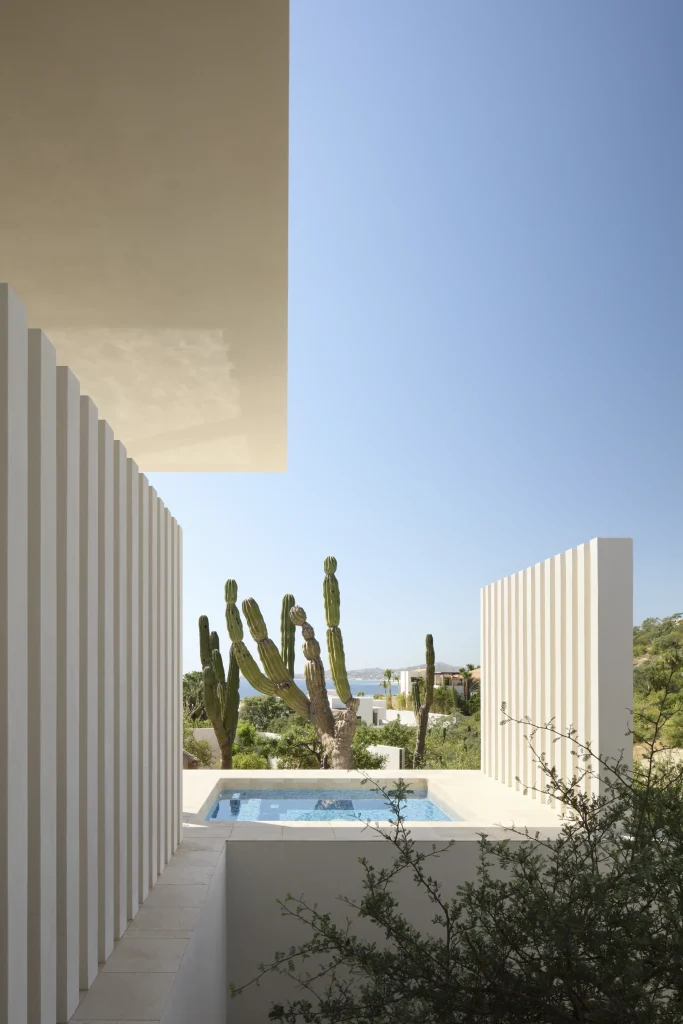
          Photography by Rafael Gamo.

          Tiny House Digital Partners with Zoie Brook Designs

          Table of Contents

            Book Your Free Strategy Call

            New Client // Zoie Brook Designs

            We’re excited to welcome Zoie Brook Designs to our client roster.

            Zoie Brook Designs is an interior design studio in Brentwood, California, founded by Owner and Principal Zoie Aliado. The studio specializies in new builds, remodels, and custom furnishing and styling projects across Los Angeles.

            We’re looking forward to supporting Zoie Brook Designs through search strategy and media outreach.

            Photography by Azat Rashit.

            Tiny House Digital Partners with Hólos Architecture + Design

            Table of Contents

              Book Your Free Strategy Call

              New Client // Hólos Architecture + Design

              We’re excited to welcome Hólos Architecture + Design to our client roster.

              Based in Friday Harbor, WA, Hólos is a residential architecture studio dedicated to creating homes that respond to land, climate, and the individuality of each client they work with. Led by Rushika Gill and Akshay Gill, the studio works across British Columbia and Washington State, with select projects also underway in Colorado and Florida.

              Their work has been featured in Dwell, Domino, and Apartment Therapy.

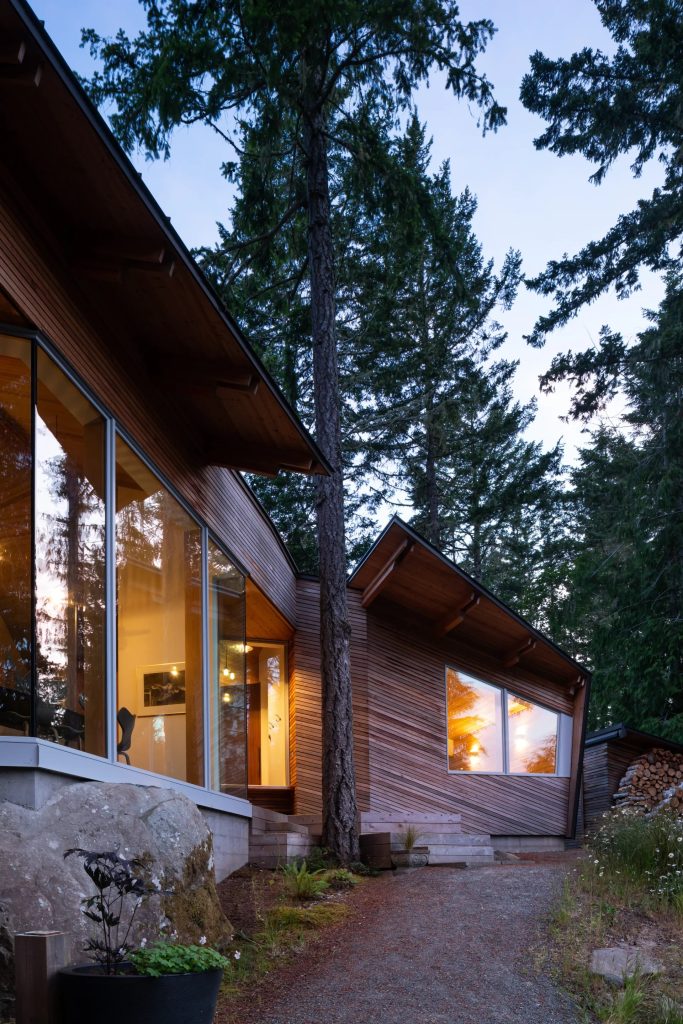
              Renderings credit: Pine + Peak Studio.

              Seamless Sanctuary, Holos Architecture

              Cloud Gallery + Tiny House Digital: SEO Case Study

              Table of Contents

                Book Your Free Strategy Call

                Client

                Cloud Gallery is a Canadian art gallery that sells direct-to-consumer online and operates a physical showroom in downtown Orillia, Ontario.

                Challenge

                In March 2021, Cloud Gallery approached us to build a hybrid SEO strategy that could increase both online and offline growth.

                Their goals were to:

                1. Increase online visibility and sales through their e-commerce store.
                2. Improve local search visibility to attract more visitors to their Orillia showroom.

                Approach

                We developed a two-part SEO strategy to target both national e-commerce buyers and local art shoppers.

                E-commerce SEO

                We created and optimized collection pages based on Ontario cottage locales, high-intent search terms like [buy Canadian art online], and artist-specific keywords to attract collectors searching for art by region or artist name.

                Local SEO

                To strengthen their local visibility, we optimized their Google Business Profile, built local citations, added structured data using schema markup, and improved contact and location-based collection pages across their e-commerce site.

                Results

                +7,700 Organic Monthly Pageviews

                Cloud Gallery’s monthly organic traffic grew from 0 to over 7,700 through targeted keyword strategies and high-quality content.

                +300% YoY Growth in Organic Users

                Cloud Gallery saw a 300% year-over-year increase in organic new users for three consecutive years, demonstrating sustained growth and audience engagement.

                Cloud Gallery Case Study chart by Tiny House Digital

                Get Found in Local Searches: A Simple Google Business Profile Guide for Architecture Firms

                Table of Contents

                  Book Your Free Strategy Call

                  When someone searches for your architecture firm by name, you expect to show up.

                  But the clients that don’t know about you are searching too — a developer looking for a [retail architecture firm New York], a homeowner typing [laneway architect Toronto], a restauranteur searching for [hospitality architect Vancouver].

                  These kinds of local, non-branded searches happen thousands of times every year in most cities. And in many cases, the first thing people see isn’t a list of websites; it’s a map with three business listings right at the top.

                  If your firm isn’t there yet, it’s a big opportunity to gain visibility and attract potential clients.

                  Example: New York City Search Data

                  Let’s say you’re an architect in New York City. Potential clients could be searching for:

                  • [new york city architect]
                  • [residential architect nyc]
                  • [architecture firm brooklyn]

                  According to Ahrefs, each month there are 800+ searches from people looking for an architect across the five boroughs. That’s nearly 10,000 searches a year, and many of these searches show the “Local Pack” (map and listings) before any website results.

                  Why Your Google Business Profile Matters

                  Your Google Business Profile is one of the simplest, highest-ROI tools your studio can use, because it’s free to set up, to:

                  • Show up where potential clients are already searching
                  • Build trust with photos of your work and client reviews
                  • Get inquiries without people even having to visit your website first

                  How to Set Up Your Google Business Profile

                  What You’ll Need Before You Start

                  • A Google Account: ideally with a business domain; e.g., if your studio is THD Architects, [email protected] looks more professional than Gmail
                  • Relevant Business Information: Your business name, address, phone number, and website

                  Step 1: Sign in to Google Business Profile

                  Step 2: Create or Claim Your Profile

                  Search for your firm’s name.

                  • If it’s there, claim it
                  • If not, create it by entering your business name

                  Important: Use your exact business name. If your firm’s name is “THD Architects,” list it exactly as that. Don’t add extra keywords like “THD Architects – Architect in Manhattan,” as this can get your profile suspended.

                  Step 3: Choose Your Business Type

                  Most architecture firms will want to select:

                  • Local store: if clients can visit your office
                  • Service business: if you work at client sites or remotely

                  If you don’t have a physical office for client meetings, just select Service business.

                  Step 4: Select Your Business Category

                  • Primary category: Architecture Firm
                  • Secondary categories: Architect, Architectural Designer, Interior Designer (if relevant).

                  Step 5: Add Your Business Details

                  Enter your:

                  • Business address (or service area if you selected Service business)
                  • Phone number (local preferred over toll-free)
                  • Website URL

                  Step 6: Verify Your Business

                  Google will require verification before your profile appears in search.

                  This may be:

                  • Postcard PIN mailed to your address
                  • Phone call PIN
                  • Video verification showing your location, signage, and workspace

                  Follow the on-screen steps once you receive the PIN or complete the video.

                  How to Make Your Profile Stand Out

                  Once your Google Business Profile is set up, regular updates can significantly improve your chances of showing up in local search:

                  • Business Hours: Keep them accurate year-round, including holiday hours
                  • Photos: Upload team photos, finished projects, renderings, and even under construction shots; aim for one new photo a week
                  • Description: Share who you are, where you’re based, the types of projects you specialize in, and the clients you work with
                  • Services: List offerings that match your ideal projects (e.g., custom home design, planning approvals, hospitality interiors) and include short descriptions for each. Add custom services if needed.
                  • Posts: Share updates weekly, such as new projects, awards, press mentions, or new hires
                  • Reviews: Ask past clients to leave a review and reply to each one

                  How Tiny House Digital Can Help

                  At Tiny House Digital, we help architecture firms:

                  • Clarify their positioning, markets, and project types they want to grow
                  • Optimize their Google Business Profile for local visibility
                  • Build a content marketing system to turn that visibility into inquiries and projects

                  If you want your firm to show up in the Local Pack — and be the one prospects choose — let’s make it happen.

                  Book your free 20-minute discovery call and start growing your visibility today.

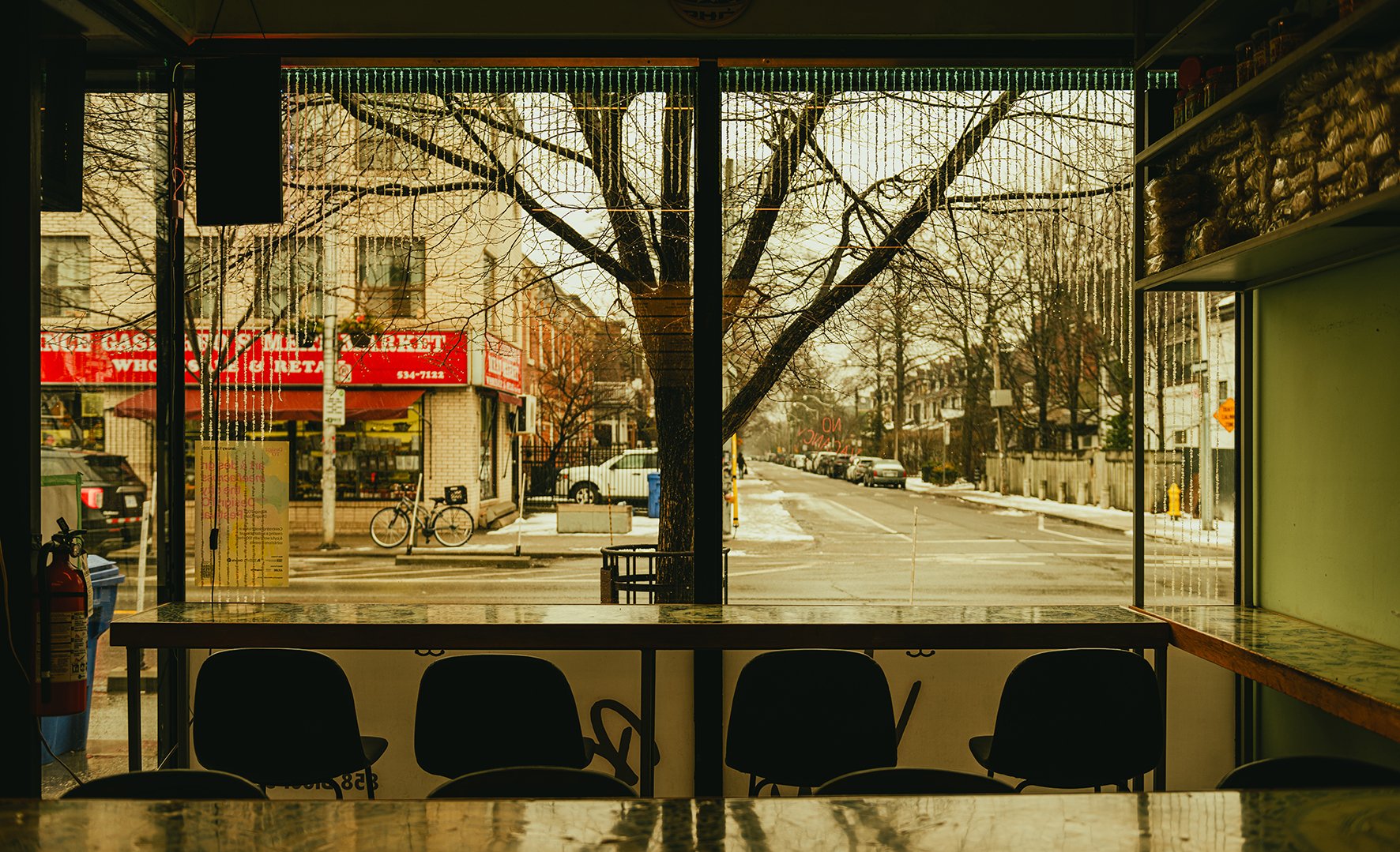
                  Tiny House Digital Partners with Picnic Design

                  Table of Contents

                    Book Your Free Strategy Call

                    New Client // Picnic Design

                    We’re excited to welcome Picnic Design to our client roster.

                    Based in Toronto, Picnic Design is an architecture and interior design studio led by principals Joanne Lam, OAA, LEED AP, and Eric Martin, BCIN. Their body of work includes single-family homes, multi-residential, hospitality, retail, and more.

                    Beyond their projects, Picnic Design is a strong advocate for rethinking how we live—exploring ideas like co-living and integrating retail into residential neighbourhoods to help create more connected, liveable cities.

                    As a Toronto-based company ourselves, we’re looking forward to supporting a local studio in our own backyard, helping grow their online presence through content marketing and search strategy.

                    Photography by Remi Carreiro.